Currently, just one month after a ceasefire memorandum of understanding (MOU) was signed, military clashes between the United States and Iran are intensifying, raising concerns about a full-scale conflict reigniting. The "permanent cessation" intent of the MOU has become meaningless as both sides have exchanged attacks and counterattacks for a week, facing the risk of falling into an uncontrollable cycle of escalation.
On July 17 (local time), the U.S. conducted its seventh consecutive nighttime airstrike on military supply infrastructure (bridges, railroads, roads, etc.) near Iran's Strait of Hormuz. Simultaneously, the U.S. military deployed 2,000 personnel from the 11th Marine Expeditionary Unit to Iranian waters and advanced combat aircraft from European bases to the Middle East, escalating offensive measures. Iran responded by attacking U.S. military bases in Kuwait and Bahrain, America's Gulf allies, as well as power plants and desalination facilities. Furthermore, Iran expanded the scope of retaliatory strikes to include mediator countries Qatar and Oman, as well as Iraq and Jordan, spreading the crisis.
Military experts analyze that both sides' escalation of armed conflict represents a "pressure gesture" to secure negotiating advantage. The U.S. move is interpreted as an attempt to neutralize Iran's control within the Strait of Hormuz, while Iran's attacks on U.S. Gulf allies and threats to mediator countries are seen as reflecting a strategic intention to destabilize global oil prices.
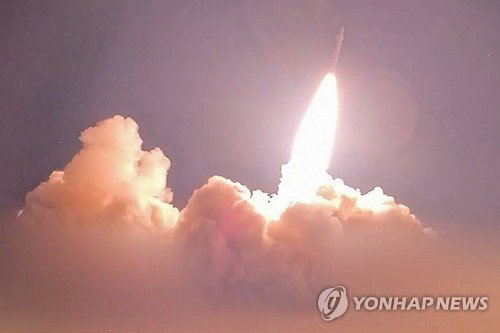
However, escalation to full-scale conflict is a tremendous burden for both sides. The U.S. faces inevitable economic damage, while Iran faces a dilemma of having to bear the enormous resources needed for post-war reconstruction and mounting public discontent. Indeed, international oil prices have already risen more than 10% this week, sounding alarm bells for the global economy. President Donald Trump mentioned on July 12 that both sides came close to an agreement but it fell through, suggesting an intention to maximize negotiating power through limited conflict. With roughly half of the 60-day additional ceasefire period having elapsed, the psychological warfare between both sides is sharper than ever.