Authorities took comprehensive regulatory and management measures today (29th) against single-stock leveraged exchange-traded funds (ETFs) that have amplified stock market volatility. At an emergency meeting chaired by Deputy Prime Minister Gu Yun-chul of the Ministry of Finance and Economy, the government decided to immediately implement ultra-strong measures including setting individual investment limits, demonstrating strong resolve to curb excessive speculation and stabilize the market.
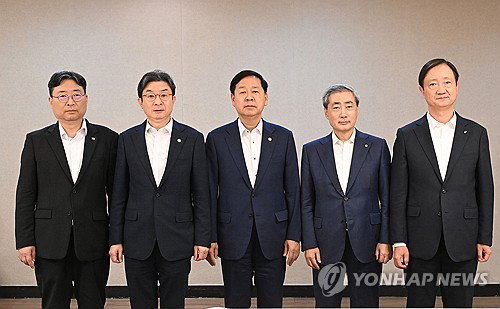
On July 29, 2026, at an emergency market situation review meeting held at the Government Seoul Office, five key economic policymakers attended, including Minister of Finance and Economy (Deputy Prime Minister) Gu Yun-chul, Bank of Korea Governor Rhee Sang-suk, Financial Services Commission Chairman Lee Eok-won, Financial Supervisory Service Governor Lee Chan-jin, and Blue House Chief Secretary for Economic Growth Ha Joon-kyung, sharing the seriousness of the current situation. Authorities identified recent single-stock leveraged ETF trading as a major factor in expanding stock market volatility and widening stock price declines.
Accordingly, the government announced diverse regulatory and management measures to be implemented immediately. First, it will implement a plan to set individual single-stock leveraged ETF investment limits at no more than 20% of total investment amounts. Additionally, the government has clarified the possibility of government intervention by establishing legal grounds for authorities to take market stabilization measures in urgent situations. To curb speculation caused by excessive bidding, the government will increase transaction cost burdens including the application of excess bidding fees, and will mandate investor mock trading in addition to existing pre-trading education.
As a precautionary measure, starting the 31st, the basic deposit for single-stock leveraged funds will be increased from the current 10 million won to 30 million won. This is interpreted as an intention to preemptively block speculative trading that has caused excessive stock price surges and subsequent adjustments and supply-demand instability.