One out of every three electric vehicles sold in South Korea in the first half of this year was manufactured in China.
Analysts noted that the influx of Chinese-made Tesla vehicles and aggressive market strategies by Chinese brands such as BYD and Polestar are even shaking up the country's imported car market structure.
▲ Chinese EV Sales Surge 178%… Reclaim Top Position in Import Vehicle Manufacturing Countries
According to an analysis of "2026 First Half Domestic Vehicle New Registration Status" released on the 4th by the Korea Automobile Mobility Industry Association (KAMA), Chinese-made electric vehicles newly registered from January to June this year totaled 69,513 units. This represents a sharp increase of 178.7% compared to the same period last year, with the market share within the overall electric vehicle market significantly expanding from 26.8% to 35.0%.
While domestic electric vehicles held the top position with 114,046 units sold (57.5%), Chinese-made vehicles far surpassed German (4.7%) and American (2.2%) vehicles to secure second place.
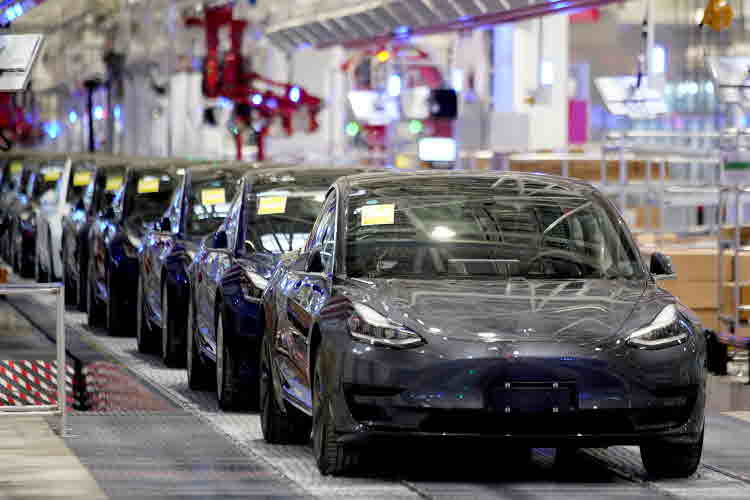
Tesla China Electric Vehicle Shanghai Factory Tesla Shanghai Factory [Photo=Reuters Yonhapnews]
The advance of Chinese-made electric vehicles has also transformed the overall imported vehicle market landscape. Chinese imported vehicles recorded 79,444 units, a 127.8% increase from the previous year, capturing a 41.2% market share and surpassing German vehicles (30.1%) to claim the top position among imported vehicle manufacturing countries.
This is attributed to the massive influx of Tesla Model Y and Model 3 from Shanghai Gigafactory, combined with BYD's budget-friendly models and Polestar's premium lineup becoming established in the market.
▲ Decrease in Personal Purchases Under Age 20… Expansion of Corporate Demand and Shared Services
In the first half passenger vehicle new registration market, a temperature difference emerged between corporate and business demand and individual purchases. Corporate and business purchases increased 10.5% compared to the previous year to 263,000 units, while personal purchases declined 3.3% to 490,000 units.
In particular, personal vehicle purchases by those under age 20 plummeted 15.7% to 27,000 units. Analysts noted that high interest rates and rising vehicle prices and maintenance costs are establishing a consumption pattern where younger consumers opt for vehicle sharing services instead of private car ownership.
▲ Expanded Consumer Choice vs. Concerns Over Domestic Manufacturing Decline
KAMA warned of the two-sided impacts of the rapid market penetration of Chinese-made electric vehicles. While there are positive effects such as expanded EV adoption through price reductions and diversified consumer choices, there are concerns that it could undermine the domestic automotive manufacturing sector's standing and intensify supply chain competition.
An association official diagnosed that effective support measures and policy responses are urgently needed to enhance the price competitiveness of domestic electric vehicles and protect the domestic production ecosystem.
Copyright © JKN. Unauthorized reproduction or redistribution prohibited.