In the early morning, Iran launched airstrikes against Kuwait using unmanned aerial vehicles (UAVs/drones), with tensions in the Middle East reaching a peak. Iran stated that this attack was an explicit warning to countries serving as a "shield" for the United States, conveyed a threat that the region could be engulfed in the "flames of war," and sent shockwaves through the international community.
Government facilities in northern Kuwait and vehicles on Bubiyan Island became targets of the airstrikes. Multiple facilities were damaged in the strikes, but there were no casualties. A spokesman for Kuwait's Ministry of Defense, Saud Abdul Aziz Al-Atwan, announced that enemy drones were immediately detected and intercepted within the airspace.
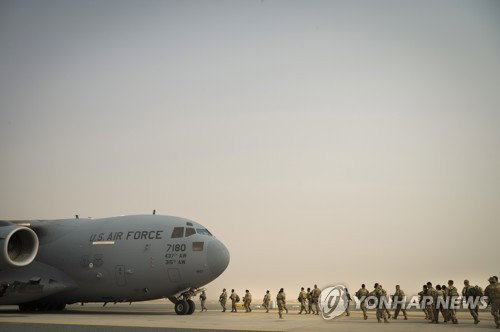
This airstrike came as Iran's armed conflict with the United States was recently re-escalating. Since Iran has previously struck the Al-Salem U.S. military base stationed in Kuwait multiple times, this direct attack on government facilities and civilian infrastructure is interpreted as an intentional warning message that goes beyond a simple provocation.
Commander Ali Abdollahi of the Hatam al-Anbia Central Command, which integrates Iranian military leadership, issued a statement strongly warning that countries should reconsider their cooperation and alliance relationships with the United States. Commander Abdollahi directly threatened, "If not, countries that become a shield for the criminal and aggressive United States will burn in the flames of war," pushing regional tensions to an extreme.