American aerospace and artificial intelligence company SpaceX, which attracted the world's financial markets' attention and debuted spectacularly, has shocked investors by losing 1.492 quadrillion won (1 trillion dollars) in market capitalization in just over a month, with its stock price even falling below the IPO price. Following its record high last month, the company has experienced a sharp decline due to the adverse news of a suspension in test flights of its key spacecraft, Starship.
On the 16th of last month, SpaceX recorded a market capitalization of 2.64 trillion dollars, making a spectacular debut as the world's largest initial public offering (IPO). However, as of July 17, 2026, just over a month later, its market capitalization plummeted to 1.61 trillion dollars, with a staggering 1 trillion dollars (1.492 quadrillion won in Korean currency) evaporating. On that day, SpaceX's stock price fell to 122.12 dollars, below the IPO price of 135 dollars, heightening investor concerns.
The decisive cause of this stock price collapse was bad news that occurred the previous day. On July 17, 2026, the 13th test flight of SpaceX's next-generation key spacecraft, Starship, was suddenly suspended. Standing 124 meters tall, Starship is considered the most important factor for SpaceX's future growth and is a core project with 15 billion dollars invested in its development alone. The news of the suspension of this test flight suggested technological difficulties for SpaceX and dealt a major blow to market sentiment.
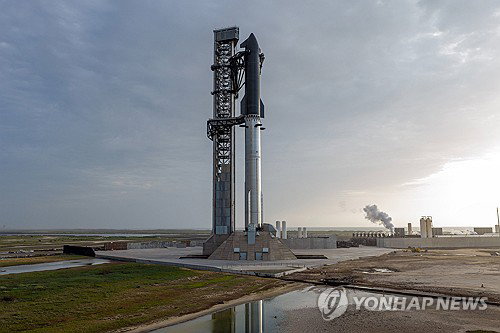
Joe Gilbert, a manager at Integrity Asset Management, analyzed the shift in market investment sentiment as follows: "Investors are taking risk-averse positions and as optimism gradually fades, they are reassessing corporate value." This interpretation suggests that after the initial bubble from the spectacular listing burst and realistic risk factors came to the fore, investors began to coldly reassess SpaceX's corporate value.