As armed conflict between the United States and Iran continues into its second week, Iran has directly attacked desalination facilities in Kuwait, a key ally, that are responsible for 90% of power generation and freshwater supply, pushing the entire Middle East toward an escalating crisis beyond control.
On July 17, 2026 (local time), Iran attacked power plants and desalination facilities in Kuwait. The attack resulted in equipment damage, fires, and significant harm to power generation facilities. Kuwait's Ministry of Electricity, Water, and Renewable Energy has characterized this attack as "atrocious aggression" and urged its citizens and residents to conserve electricity. Since Kuwait depends on desalination facilities for approximately 90% of its drinking water, this attack poses a severe threat to its citizens' survival.
Iran's attack came shortly after the U.S. military expanded its targets to include Iranian civilian facilities. On July 16, the U.S. military escalated its attacks by striking Iranian civilian infrastructure including railway junctions and bridges. U.S. President Donald Trump previously warned on July 14 that "if they do not come to the table and negotiate, we will bring down all of their power plants," cautioning of potential attacks on Iran's critical infrastructure.
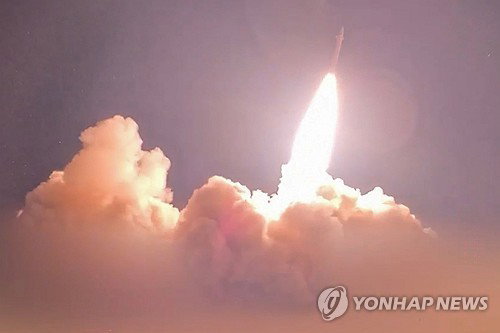
Iran has yet to issue an official statement regarding the infrastructure strikes in Kuwait. However, Majid Musavi, commander of the Islamic Revolutionary Guard Corps (IRGC) Aerospace Force, firmly stated on July 17 that "we will continue to conduct effective and precise strikes against the enemy until peace comes to the southern coastline and the Strait of Hormuz." This is interpreted as a clear expression of intent to retaliate against U.S. attacks.