When planning overseas trips, making direct purchases from abroad, or encountering the term 'exchange rate' in the news, have you ever felt overwhelmed by its complexity? The figure of 1 dollar to 1,300 won might not feel clearly connected to your life. However, the exchange rate is far more than a complicated economic indicator—it's a vital economic concept directly linked to our everyday lives. This article will serve as a complete guide, explaining from basic concepts of exchange rates to the principles of their fluctuations, their impact on personal and overall economic life, and how to wisely utilize exchange rate information in real life, in a step-by-step manner that general readers can easily understand. From now on, you no longer need to hesitate in front of exchange rates. Through this article, you can completely resolve your questions about exchange rates and begin living a smarter economic life.
What Exactly Is an Exchange Rate and Why Is It Important? – Understanding the Basics
An exchange rate refers to the ratio at which one country's currency can be exchanged for another country's currency. For example, if 1 U.S. dollar (American currency) can be exchanged for 1,300 won (Korean currency), the exchange rate is said to be 1,300 won per dollar. This means that the U.S. dollar's value is higher than the Korean won, and it also means we must pay 1,300 won to obtain 1 dollar.
Exchange rates play an essential role in international trade and capital movement. Whenever we import or export goods from overseas, invest in other countries, or travel abroad, we must exchange different currencies, and the exchange rate serves as the standard for this exchange. When exchange rates fluctuate, even the same amount of goods or services requires different payments, affecting everything from personal consumption activities to corporate management and even the national economy as a whole. In this way, exchange rates are not merely numbers but core indicators for understanding our daily lives and the flow of the economy.
Now that you understand what an exchange rate is, it's time to learn why this exchange rate continuously changes.
Why Do Exchange Rates Go Up and Down? – The Core Principles of Fluctuation
Exchange rates are fundamentally determined by the principles of supply and demand in the foreign exchange market. When demand for a particular currency (e.g., the U.S. dollar) increases, the value of that currency rises and the exchange rate goes up; conversely, when supply increases, the value falls and the exchange rate goes down.
Specifically, the main factors affecting exchange rate fluctuations are as follows:
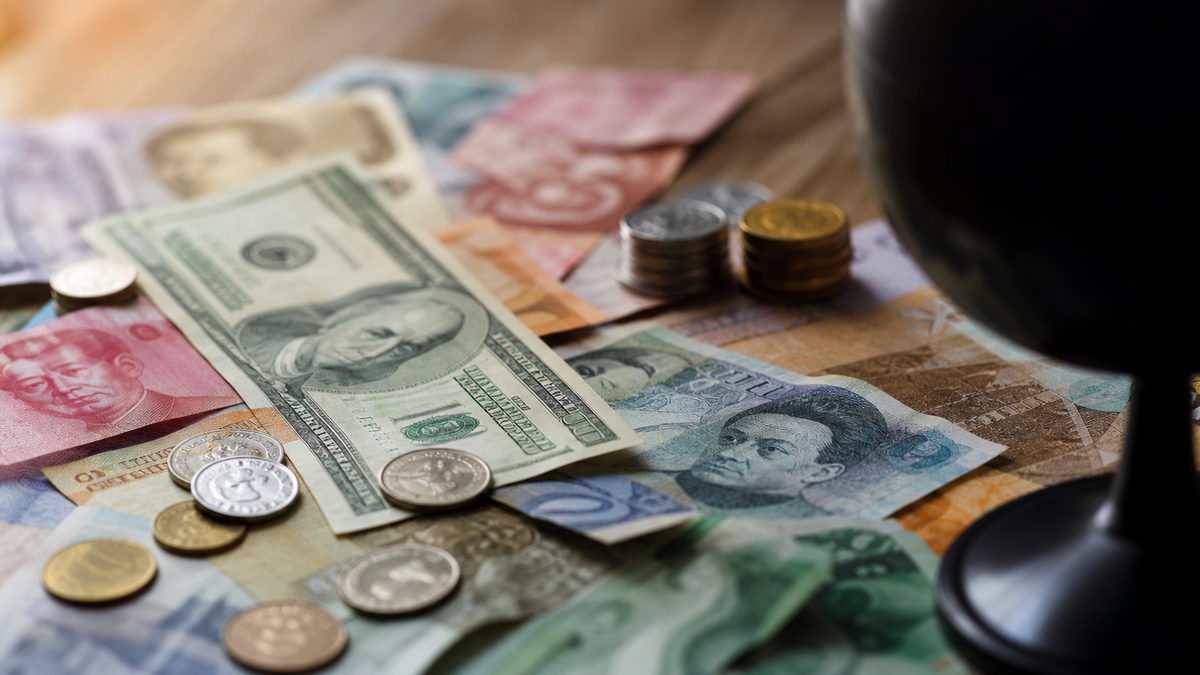
[Photo=Exchange Rates Explained Simply]
- Interest Rate Differences: When one country's interest rates become higher than another's, foreign capital flows into that country to earn higher returns. In this process, foreign capital sells its own currency and purchases the currency of that country, so the value of that country's currency rises and the exchange rate can fall (increasing the value of the won).
- Economic Growth Rate and Economic Conditions: Countries with high economic growth rates and good economic conditions appear attractive to foreign investors. As demand increases to purchase that country's currency for investment, it can lead to an increase in currency value.
- International Balance of Payments: When the current account records a surplus, foreign currency flows into the domestic economy from export revenues, which increases foreign currency supply and becomes a factor for exchange rate decline (increasing the value of the won). Conversely, when it records a deficit, foreign currency outflows increase, which becomes a factor for exchange rate rise (decreasing the value of the won).
- International Oil Prices and Raw Material Prices: For countries like Korea with high dependence on raw material imports, when international oil prices or raw material prices rise, more dollars must be spent on imports. This increases demand for dollars, which can lead to a rise in the won/dollar exchange rate.
- Political Stability and International Situation: A country's political instability or changes in international circumstances greatly affect investor sentiment. In unstable situations, the preference for the dollar, which is regarded as a safe asset, intensifies, raising the value of the dollar and causing the exchange rates of other currencies to fall (decreasing the value of the won).
As these complex factors interact with each other, exchange rates continuously fluctuate. Having understood the principles of exchange rate fluctuation, let us now examine how these fluctuations specifically affect our individual lives.
How Exchange Rates Affect My Life – Personal Life Edition
Exchange rate fluctuations impact our daily lives and wallets far more directly than we might think. This impact becomes especially pronounced when engaging in activities related to overseas matters.
- Overseas Travel Expenses: When the won/dollar exchange rate rises (the won depreciates), we must pay more won to purchase the same 1 dollar. In other words, accommodation, food, transportation, and other expenses incurred overseas become more expensive in won terms, increasing the burden of overseas travel expenses. Conversely, when the exchange rate falls (the won appreciates), travel expenses become cheaper.
- Direct Overseas Purchases and Imported Product Prices: When making direct purchases from overseas online shopping malls or buying imported products sold domestically, exchange rates also have an impact. When the exchange rate rises, the cost of imported products increases, likely resulting in higher domestic retail prices; when making direct purchases, more won must also be paid.
- Overseas Study and Living Expenses: For those studying or residing abroad, living expenses and tuition must be paid in local currency. When sending money from Korea, if the exchange rate rises, the burden of won required to purchase the needed local currency increases, potentially creating pressure on living expenses.
- Overseas Investments and Foreign Currency Deposits: For those invested in overseas assets such as stocks and funds or holding foreign currency deposits, returns can vary greatly depending on exchange rate fluctuations. Holding dollar assets while the won/dollar exchange rate rises can generate currency gains, but the opposite scenario results in currency losses.
- International Money Transfers: When sending money abroad or receiving money domestically, the final amount received varies depending on the exchange rate. Especially when transferring large amounts, even minor fluctuations in the exchange rate can result in differences in the final received amount.
In this way, exchange rates become an important criterion for economic decisions in modern people's lives as overseas activities increase. Exchange rates have enormous impact not only on individual lives but also on the entire economy of enterprises and nations. Let us examine the bigger picture in the next section.
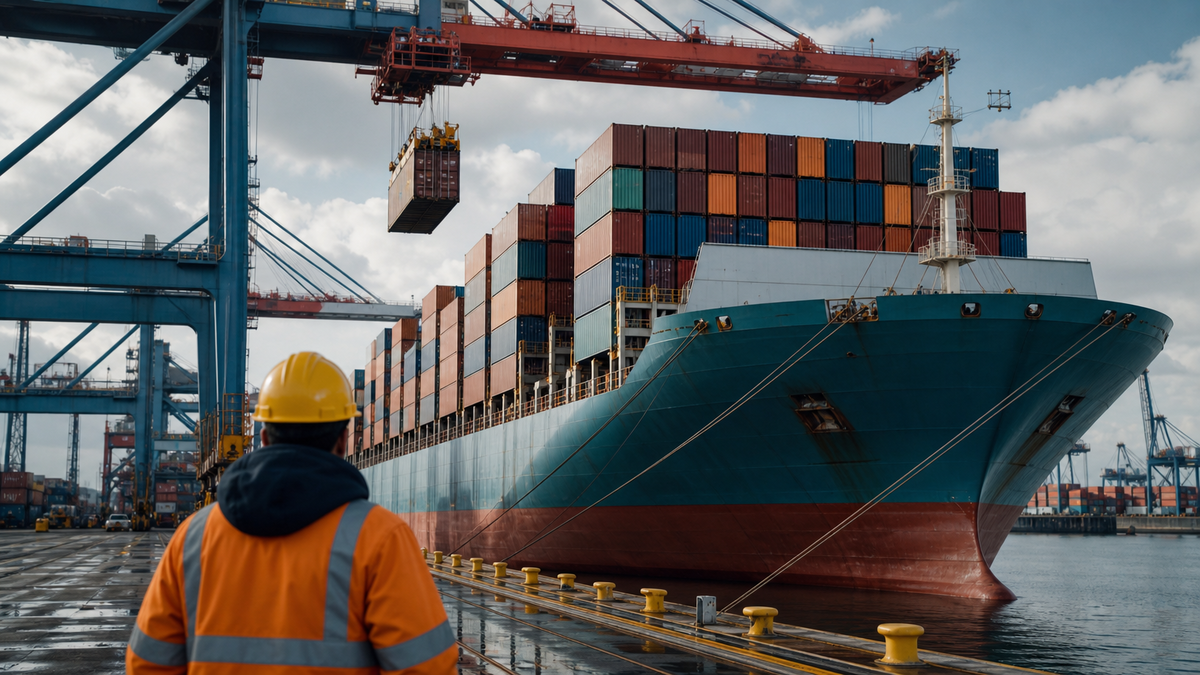
[Photo=AI Generated: Exchange Rate Changes Create Joy and Sorrow in Exports and Imports]
What Impact Does It Have on Corporate and National Economics? – A Macroscopic Perspective
Exchange rate fluctuations extend beyond individuals to profoundly affect corporate operations and the entire national economy. They directly impact macroeconomic indicators such as national economic growth rates, prices, and employment.
- Changes in Export Companies' Competitiveness: When the won/dollar exchange rate rises (the won depreciates), products manufactured by Korean companies in overseas markets become relatively cheaper. This improves the price competitiveness of export companies, can increase exports, and contribute to improved performance. Conversely, when the exchange rate falls (the won appreciates), export product prices become expensive and export competitiveness weakens.
- Import Companies' Cost Burden: A rising exchange rate negatively affects import companies. Companies importing crude oil, raw materials, and components must pay more won, increasing their cost burden. This worsens corporate profitability and can eventually lead to consumer price increases.
- National Price Levels (Inflation/Deflation): Since exchange rates are directly tied to import prices, they greatly affect national price levels. When the exchange rate rises, import prices increase, likely leading to overall consumer price increases (inflation). Conversely, when the exchange rate falls, import prices stabilize and can contribute to price stability.
- Foreign Debt Burden: For countries or companies that have borrowed in foreign currency such as dollars, a rise in the won/dollar exchange rate increases the won burden of repayment. This can create difficulties in debt repayment and affect national fiscal health.
- Foreign Investment Attraction: Exchange rates also affect foreign direct investment (FDI). If a particular country's currency value becomes too high, foreign investors may withdraw investment funds or hesitate to make new investments. Conversely, an appropriate exchange rate level can be a positive factor in attracting foreign investment.
In this way, exchange rates have a wide-ranging impact on exports and imports, prices, and business activities—which are important pillars of a nation's economy—and also serve as an important consideration in establishing the country's economic policies. Now that you understand the various impacts of exchange rates, let's explore practical methods for wisely utilizing and managing exchange rate information in your daily life.
How to Wisely Utilize Exchange Rate Information – Practical Tips
While exchange rate fluctuations are difficult to predict, by consistently checking basic information and adhering to a few key principles, you can reduce vague anxiety and utilize exchange rates wisely.
- Sources for Checking Exchange Rate Information:
- Primary Bank App/Website: You can check current exchange rates most accurately and utilize currency exchange and foreign currency remittance services. It is important to distinguish between 'buying rate (when the bank sells foreign currency to customers)', 'selling rate (when the bank buys foreign currency from customers)', and 'base rate'.
- Major Portal Sites (Naver, Daum, etc.): You can grasp real-time exchange rate information, graphs, and trends at a glance.
- Economic Specialist Sites/News: You can gain insights by referring to expert analysis on the background and outlook of exchange rate changes.
- Key Indicators to Check: In addition to the exchange rate of a specific currency (e.g., U.S. dollar) against the won, it is good to also examine macro-level factors such as each country's interest rates, economic growth rates, trade balances, international crude oil prices, and geopolitical risks.
- Basic Knowledge of Currency Exchange Technology:
- Diversifying Exchange Timing: When you need to exchange a large sum for overseas travel or studies, rather than exchanging all the money at once, it can reduce risk to make multiple partial purchases over time whenever you judge the exchange rate to be low. 'Divided purchasing' has the effect of dispersing the risk from exchange rate fluctuations.
- Utilizing Foreign Currency Deposits: If you consider holding foreign currency assets from a long-term perspective, you can utilize foreign currency deposits. This involves purchasing foreign currency when the exchange rate is low, depositing it, and then exchanging it back to won when the exchange rate rises, thereby gaining exchange rate profits. Of course, careful consideration is necessary as losses can occur if the exchange rate falls.
- Comparing Exchange Commission Fees: Since exchange fees and preferential rates differ between banks, it is good to compare conditions across multiple banks and exchange at the most favorable one.
Exchange rate information is more than simply checking numbers; it is an important tool for making wise decisions in connection with your economic activities. Now, as we conclude our journey through exchange rates, let us revisit the most important message once more.
Exchange Rates Aren't Difficult! – Key Summary and Conclusion
So far, we have examined in detail the basic concepts of exchange rates, the principles of their fluctuations, the various impacts on our daily lives and the broader economy, and methods for wisely utilizing exchange rate information in real life. Exchange rates are not merely a complex indicator in financial markets; they are important elements closely connected to many aspects of our lives, including overseas travel, direct purchases from abroad, studying abroad, corporate imports and exports, and even national economic prices and growth.
While it may seem complex and difficult to predict on the surface, once you understand the core principles of exchange rates—supply and demand—and the major factors driving changes, they will no longer seem as obscure. Exchange rates are always present around us and change continuously. Therefore, consistent attention and basic understanding are of great help not only for individual rational economic activities but also for understanding domestic and international economic situations more broadly.
We hope that through this guide, your curiosities about exchange rates have been resolved and you have gained the knowledge and confidence to cope more wisely with exchange rate fluctuations in the future. Exchange rates will no longer seem difficult to you.
Copyright © JKN. Unauthorized reproduction or redistribution prohibited.