The Bank of Korea has expressed caution regarding the possibility of expanded volatility in domestic and global financial markets, as uncertainty over monetary policy direction has increased following the U.S. Federal Reserve's hold on interest rates, compounded by geopolitical risks in the Middle East.
The market has seen long-term interest rates rise significantly as the Fed's future policy path becomes more opaque, and the Bank of Korea has stated it will strengthen its monitoring of domestic and external risks.
▲ Fed Message Uncertainty Expands…BOK Says "Difficult to Predict Policy Direction"
The BOK reviewed the results of the U.S. Federal Open Market Committee (FOMC) meeting on the 30th and assessed that "uncertainty surrounding U.S. Fed monetary policy and Middle East developments has expanded."
Park Jong-woo, Senior Deputy Governor of the Bank of Korea, said at a market situation review meeting held that day, "In the press conference following this FOMC, Fed Chair Kevin Warsh clearly expressed the Fed's commitment to price stability, but did not provide specific signals regarding future monetary policy direction."
This analysis suggests it has been a factor in reducing market predictability regarding future rate cuts or further tightening.
▲ Rising Long-term Interest Rates…Concerns Over Expanded Market Volatility
The BOK diagnosed that the Fed's cautious stance had an immediate impact on financial markets.
Deputy Governor Park explained, "As assessments spread that uncertainty regarding the Fed's future monetary policy operations and inflation trends has increased, long-term interest rates have risen sharply."
The market interpretation is that volatility has expanded mainly in the bond market as perceptions spread that the Fed may focus on price stability for some time and it has become difficult to gauge the timing of policy changes.
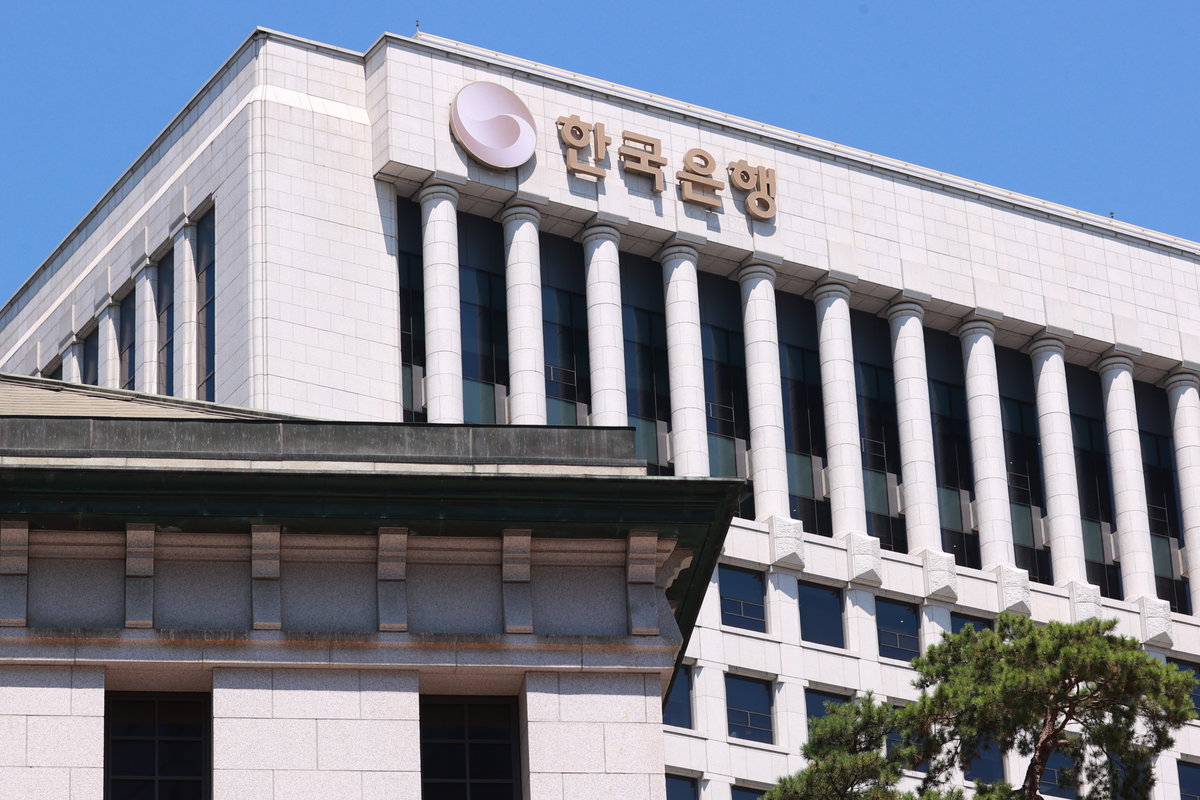
Bank of Korea [Provided by Yonhapnews]
▲ Middle East Risks Compound…External Variables Become Complex
The BOK identified geopolitical uncertainty in the Middle East region as a key risk factor in addition to monetary policy variables.
The assessment is that since international oil prices and commodity prices respond sensitively to geopolitical conflicts, they could impact global prices and financial markets.
In particular, analysts point out that the Korean economy, with its high external dependence, requires complex risk management as U.S. monetary policy and changes in international circumstances can simultaneously affect exchange rates, capital markets, and exports.
▲ BOK "Continuous Monitoring of Domestic and External Risks"
Deputy Governor Park emphasized, "We will continuously monitor the developments of domestic and external risk factors and their impacts on the domestic financial and economic situation with heightened vigilance."
With market uncertainty heightened, the outlook is that the BOK will carefully observe major financial indicators such as exchange rates, bond markets, and funding markets, and take measures if necessary.
Meanwhile, at this FOMC meeting, the policy interest rate was maintained at 3.50-3.75% annually as the market expected.
However, three of the 12 committee members advocated for a rate hike, confirming differences of opinion within the Fed over future monetary policy.
Copyright © JKN. Unauthorized reproduction or redistribution prohibited.