

Pandemics pose an existential threat that destabilizes national security and economic order. In a hyper-connected society, the spread of infectious diseases triggers supply chain disruptions and geopolitical conflicts. International cooperation and the structural strengthening of health systems are critical tasks for responding to these threats, determining the stability and sustainability of future societies.
The large-scale spread of infectious diseases is a significant security threat, extending beyond human casualties to paralyze national functions and cause social chaos. While past health crises remained localized, modern pandemics, due to the nature of hyper-connected societies, lead to the collapse of global systems. This necessitates the establishment of an integrated defense system encompassing politics, economy, and security, going beyond mere medical responses.
▲ Securitization of Health Threats and Vulnerability of National Systems
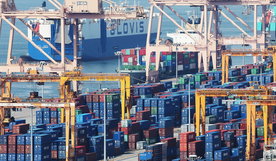
Disruptions to global supply chains during a pandemic inflict devastating blows on modern societies, which are highly economically interdependent. Imbalances in the supply and demand of essential medical supplies and raw materials exacerbate nationalistic tendencies, leading to a decline in international trust and diplomatic friction. In particular, the concentration of medical resources widens the gap between developing and developed nations, undermining global stability.
Inequality in access to vaccines and treatments acts as a mechanism that amplifies geopolitical tensions, extending beyond mere humanitarian concerns. So-called 'vaccine nationalism' weakens international cooperation and risks being exploited as a tool for certain nations to expand their influence. Such imbalances increase the likelihood of new variants emerging, ultimately boomeranging back to neutralize global disease prevention efforts.
▲ Geopolitical Tensions Caused by Vaccine Inequality and Supply Chain Disruptions
To prepare for future health threats, strengthening the role of international health organizations, based on real-time information sharing and transparent reporting systems, is essential. Each nation must promptly share its health information and activate a cooperative system to establish common standard response manuals to prevent initial outbreaks. This is the only way to resolve distrust between nations and maximize the efficiency of joint responses.
For sustainable pandemic preparedness, long-term and systematic investment in health infrastructure must accompany, rather than temporary budget injections. Enhancing the resilience of public health systems and strengthening the professionalism of medical personnel is the most reliable insurance against uncertain future threats. Expanding R&D investment through public-private partnerships is also an indispensable factor for securing rapid response capabilities.
▲ Strengthening Future Crisis Response Capabilities Through the Establishment of Transnational Cooperation Systems
Ultimately, global health security possesses the characteristics of a public good that cannot be achieved through the efforts of a single nation alone. Only when the international community defines pandemics as a common enemy and solidifies its policy and financial solidarity can humanity be free from recurring health crises. Systematic preparedness and cooperation are the key to maintaining geopolitical stability and ensuring sustainable prosperity.

![[금융진단] 미 증시, 지정학 완화·빅테크 반등에 상승](https://images.jkn.co.kr/data/images/full/98/28/982892.jpg?aspect_ratio=288:168&crop_gravity=northwest&width=288)