Space debris from a SpaceX rocket drifting through space is set to collide with the lunar surface on August 5th, just days away, at the terrifying speed of 8,700 kilometers per hour.
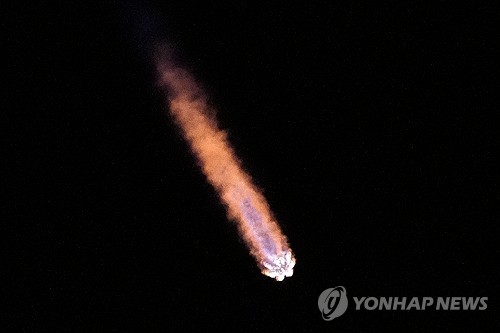
On the afternoon of August 5th Korean time, the area around Einstein Crater on the near side of the moon will experience a massive explosion due to space debris hurtling at 8,700 kilometers per hour. This debris is the second stage upper portion of a SpaceX Falcon 9 rocket that launched on January 15th last year carrying two lunar landers. After completing its mission and being abandoned in space, this enormous fragment, approximately 12 meters in length and weighing about 4,500 kilograms, is expected to create a new impact crater on the lunar surface with a diameter of 27 meters and a depth of 5 meters, with an explosive force equivalent to 3 tons of TNT.
This collision is drawing attention as an event that once again warns of the severity of the space debris problem. It marks the second case since Chinese rocket debris collided with the western edge of the moon in 2022. Space tracking expert Bill Gray points out that "it is becoming increasingly common for such space debris to be left in lunar orbit."
Particularly notable is that South Korea's lunar orbiter Danuri will conduct close-up observations of this collision site, drawing worldwide attention. Danuri will approach within several kilometers just 2 minutes before the rocket debris collision to collect on-site observation images. NASA's lunar orbiter is also planning to simultaneously observe the aftermath of the collision.