In the midst of an unprecedented heat wave in 2026, consumers are finding that simply running air conditioners is insufficient, leading to a dramatic surge in search volumes for fabric products like roman shades and door curtains for 'preserving cool air' and 'blocking direct sunlight'—up to 4.7 times compared to last year—while demand for dehumidifying products also soars, revealing a distinct 'smart summer survival' trend.
As of August 4, 2026, with intense heat waves raging, consumers are making proactive moves to retain cool air indoors and block hot sunlight, going beyond simply relying on cooling devices. A 'smart summer survival' approach aimed at saving cooling costs and maximizing cooling efficiency is becoming the mainstream.
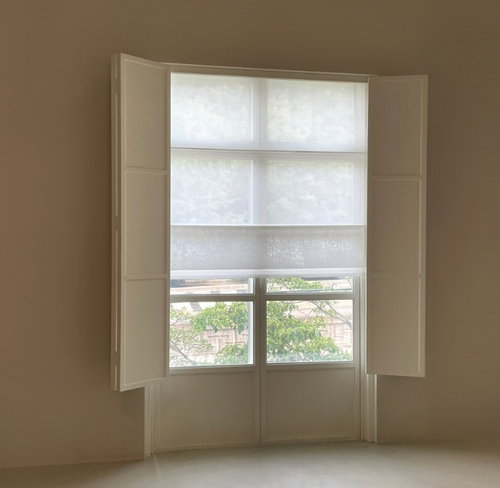
According to an analysis of search data from the interior design platform "Today's House" over the past four weeks (June 29 – July 26, 2026), consumption of fabric products for maintaining indoor cool air and blocking direct sunlight has increased significantly. Notably, searches for roman shades surged 4.7 times (372%) compared to the same period last year, showing the steepest growth among window-related items. Searches for door curtains that prevent cool air leakage also increased 3.6 times (257%) year-over-year.
This is interpreted as reflecting consumers' desire to achieve both interior design effects and cooling efficiency simultaneously. The surge in door curtain searches is analyzed as stemming from growing demand for 'zone cooling,' which saves energy by cooling only specific spaces. Linen curtains increased by 82%, linen blinds by 140%, studio apartment curtains by 3 times (204%), velcro curtains by 133%, and balance curtains by 90%, showing a notable concurrent upward trend in related fabric products.
[Photo=Yonhapnews]
As the importance of managing indoor humidity has come to the fore, demand for dehumidifying products has also increased substantially. Dehumidifier searches increased 2.6 times (160%) compared to the previous four weeks, and dehumidifying agents doubled (105%). In particular, searches for dehumidifying products tailored to specific spaces and uses—including mini dehumidifiers (127%), bathroom dehumidifiers (147%), studio apartment dehumidifiers (190%), and hanger-type dehumidifying agents (163%)—were active. This appears to stem from consumers' awareness that high humidity raises perceived temperature and reduces cooling efficiency.
Search volume for portable air conditioners that can be used without installation work also increased 2.5 times (149%) compared to the previous four weeks, gaining traction as a heat wave response method for studio apartments and rental households. This reflects efforts to secure cooling even in environments where air conditioner installation is difficult.
This consumer trend goes beyond simply escaping the heat, grounded instead in practical purposes of saving on cooling costs and maximizing cooling efficiency. An official from Today's House stated, "Rather than simply relying on cooling devices, a smart summer survival approach that maximizes cooling efficiency by utilizing dehumidification and sunlight blocking has become mainstream." As Korea Electric Power Corporation continues to recommend energy conservation, in the face of the threat posed by extreme heat, consumers are carefully managing their residential environments to simultaneously achieve cooling efficiency and economic benefits—establishing 'smart summer survival' as a firm trend. This proactive consumer behavior is expected to continue exerting influence on the residential interior and home appliance markets going forward.
Copyright © JKN. Unauthorized reproduction or redistribution prohibited.