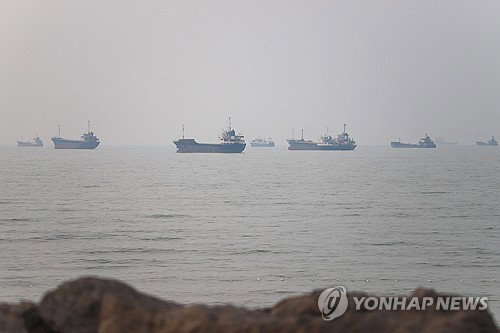
On the 23rd (local time), amid severe tensions in the Middle East, Brent crude oil, the international oil price benchmark, surpassed $100 per barrel for the first time in about two months, with military conflicts between the United States and Iran and attacks on tankers in the Red Sea sending alarm bells through the global crude oil supply chain.
International oil prices showed a sharp surge that day. In the London ICE futures exchange, September-delivery Brent crude rose 6.4% from the previous session to $100.05 per barrel. This marks the first time Brent crude has surpassed the $100 threshold in approximately two months since May 26, 2026. September-delivery West Texas Intermediate (WTI) crude at the New York Mercantile Exchange (NYMEX) also closed at $90.12 per barrel, up 3.8% from the previous session.
The main causes of the oil price surge are multifaceted. Above all, prolonged military conflicts between the United States and Iran have raised geopolitical tensions in the Middle East to their peak. Additionally, an incident in which two Saudi Arabian tankers were attacked in the Red Sea, a key global crude oil transport route, has made concerns about supply disruptions a reality.
Specifically, Yemen's pro-Iran Houthi rebels directly attacked two Saudi tankers attempting to pass through the Bab el-Mandeb Strait in the Red Sea. This attack occurred just four days after the Houthi rebels declared a naval blockade of the Red Sea on July 20, 2026, warning of retaliation against Saudi Arabia's airstrike on Sana'a Airport in Yemen. This demonstrates that the Houthis are not merely issuing threats but are taking actual action to implement their warnings.