New York's last three years have been a record of breathtaking changes not captured by statistics—as familiar subway scenes have disappeared and advanced technology researchers pack their bags, the tastes and sounds of Korea have exploded across Manhattan streets.
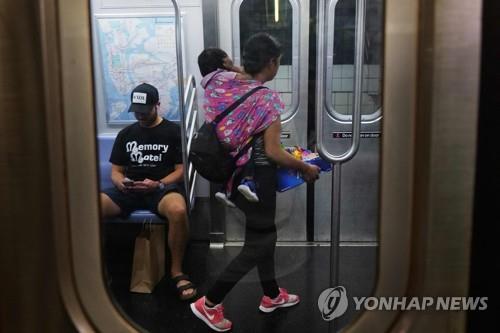
As of August 2, 2026, midway through the second term of the Donald Trump administration, New York finds itself in the shadow of the Trump administration's immigration policies, research funding cuts, and delayed UN contribution payments. The Latin American women who were commonly seen on subways two to three years ago, carrying babies in wraps and selling M&M's chocolate, have noticeably decreased. The number of participants in educational and cultural programs at the New York Public Library (NYPL) has also declined significantly, attributed mainly to the disappearance of newly arrived immigrants seeking to improve their English skills.
The loss of talent in university areas is also serious. The influx of visiting professors and postdoctoral researchers in engineering fields such as biotechnology and computer science has nearly ceased, and existing researchers are also leaving the United States. An Asian researcher who has resided for five years plans to leave the United States within this year due to unclear budget extensions for research projects. A Muslim professor teaching AI at a nearby Ivy League university is also exploring universities in other countries, and Chinese international students completing doctoral programs in engineering are increasingly returning home in response to attractive salary offers from major domestic corporations like Huawei. An expert in New York warned that "the losses from researchers not coming and existing researchers packing their bags will not be captured in corporate quarterly earnings or growth rate statistics. The bills could arrive five, ten years later, or in the next generation."
The UN headquarters is also suffering from budget pressures. Bathroom paper towels disappeared earlier this year, and UN Secretary-General António Guterres announced in a UN General Assembly report last May that the UN Secretariat reduced positions by "21%" this year. As personnel from high-cost areas like New York are being reassigned to low-cost areas, the turnover of UN staff in New York has also increased in the past year. Posters from immigrant-related organizations criticizing Immigration and Customs Enforcement (ICE) or providing assistance related to enforcement have increased on the streets, and Tom Homan, the White House immigration policy chief, has announced preparations for an unprecedented-scale immigration enforcement operation in New York.