As the 2026 North American World Cup came to a close, Hyundai Motor Group captured global attention with a surprise performance by the humanoid robot 'Atlas' and a 27-year FIFA partnership.
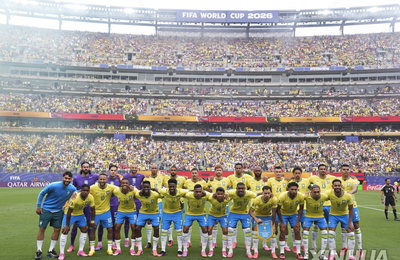
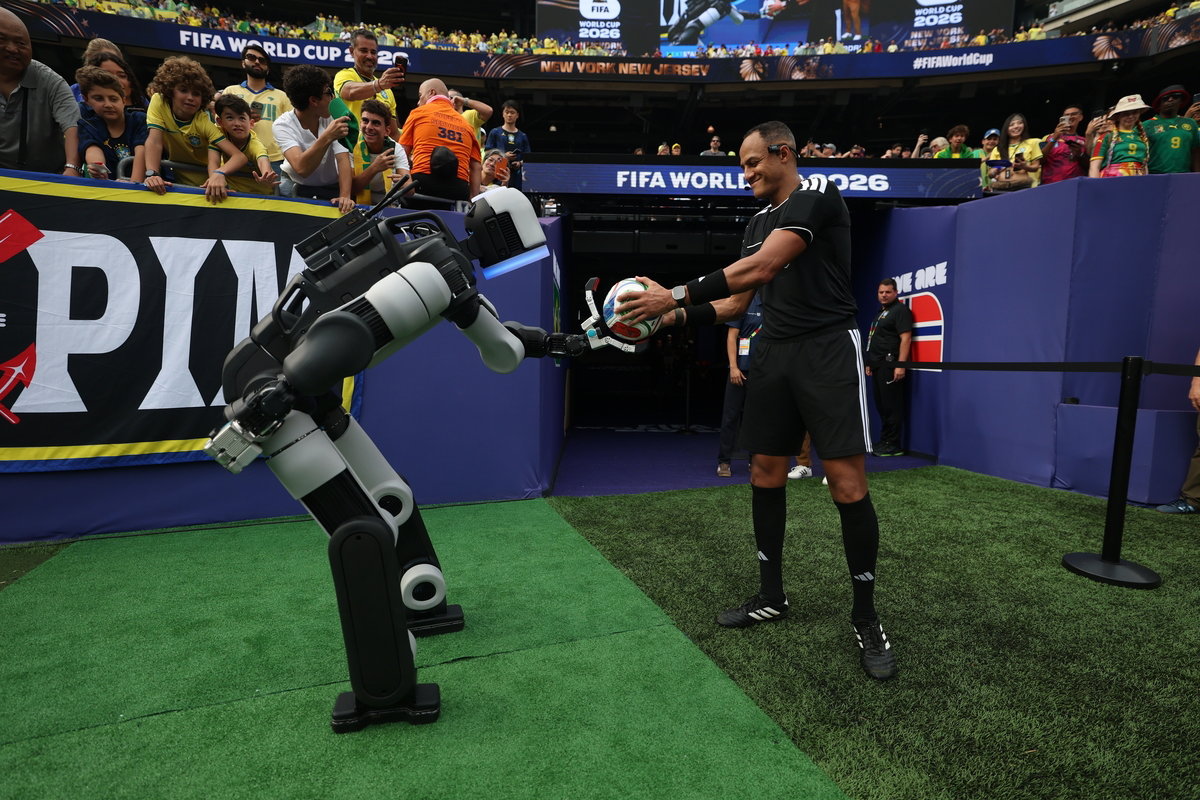
During the halftime of the Brazil-Norway Round of 16 match held at New Jersey Stadium in New York on the 6th, what appeared on the pitch was neither a player nor a mascot. Hyundai Motor Group's humanoid robot Atlas recreated ceremonies from famous players and directly delivered the soccer ball to the referee, capturing the attention of viewers worldwide. American business magazine Fortune evaluated it as "something that has never happened in World Cup history," and marketing publication Adweek praised it as a new marketing case combining robotics technology and brand vision.
Atlas's activities did not end there. The quadrupedal robot 'Spot' performed autonomous patrol missions at key locations including New Jersey Stadium. At the FIFA Museum special exhibition set up at Radio Park at Rockefeller Center in New York, the two robots were displayed side by side, showcasing Hyundai Motor Group's robotics competitiveness to the world.
The relationship between Hyundai Motor Group and FIFA runs deep. Following the first official partnership between Hyundai Motor and FIFA in 1999, the 27-year journey together continued this year. This marks the third longest history among 'FIFA Partners,' the highest sponsorship tier of FIFA, after Adidas and Coca-Cola, and is the longest record in the automobile sector. In 2007, Kia also joined as an official FIFA partner.
At this North American World Cup, Hyundai Motor Group provided a record-breaking 2,160 official vehicles. Since the 2002 Korea-Japan World Cup, vehicles provided over seven tournaments totaled 8,900 units. Fan engagement programs were also abundant. Hyundai Motor operated the 'Hyundai Goal of the Tournament' and 'Be There with Hyundai' campaigns, while Kia hosted the 'OMBC Cup' with 63 youth players from nine countries participating.
Hyundai Motor Group plans to continue its FIFA partnership through 2030, developing the World Cup into a global platform that shares future technology and sustainable values. This World Cup, where a robot carried the ball, was the opening act of that future.