©연합뉴스
Russian President Vladimir Putin has suggested that the war in Ukraine is "coming to an end" and proposed former German Chancellor Gerhard Schroeder as a primary mediator for peace negotiations. The proposal was met with immediate resistance from Berlin and the European Union, who expressed deep skepticism regarding the former leader's impartiality.
Russian President Vladimir Putin signaled a potential shift in the Kremlin’s stance on the war in Ukraine, stating during recent public remarks that the conflict may be nearing its conclusion. As part of this diplomatic overture, Putin formally proposed former German Chancellor Gerhard Schroeder to facilitate peace talks between Moscow and Kyiv. Schroeder, who led Germany from 1998 to 2005, has long maintained a controversial personal and professional relationship with the Russian leader, including roles on the boards of major Russian energy firms such as Nord Stream and Rosneft.
The German government and European Union leadership swiftly rejected the proposal. Officials in Berlin expressed profound skepticism, citing Schroeder's historical ties to the Kremlin as a disqualifying factor for a neutral mediator. The New Voice of Ukraine reported that Berlin moved to block the bid, reinforcing a unified European stance against Schroeder’s involvement in official EU-backed diplomacy. This rejection comes amid a broader climate of distrust, as Russia and Ukraine continue to trade allegations of truce violations despite ongoing international efforts to secure a lasting ceasefire.
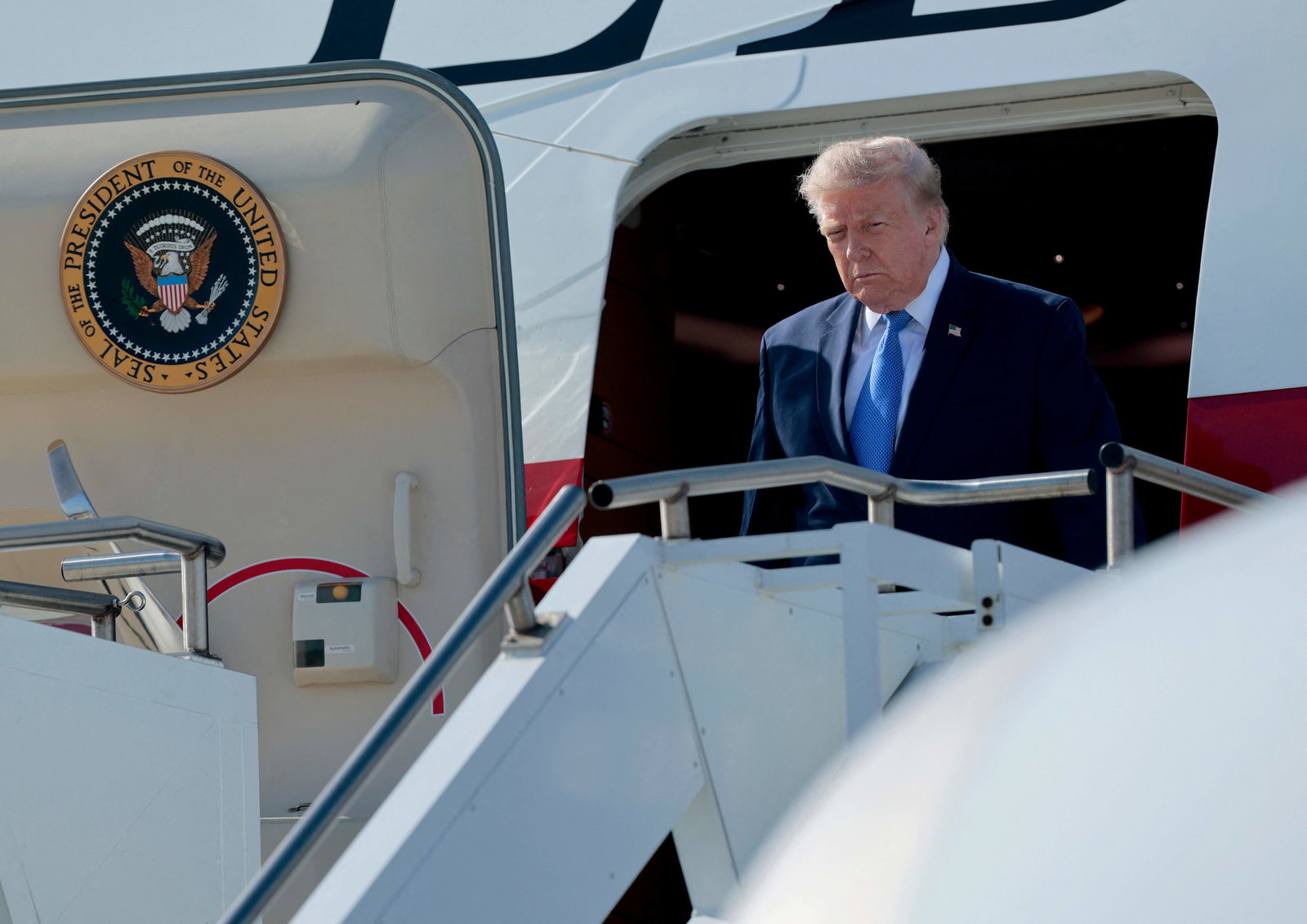
While the Kremlin pushes for a new round of talks in Istanbul, Ukrainian President Volodymyr Zelenskyy has expressed a preference for a personal meeting with Putin in Turkey. Zelenskyy remains focused on a memorandum that ensures Ukraine's long-term security and territorial integrity. Conversely, reports indicate that former U.S. President Donald Trump has voiced support for a plan that would involve Ukraine ceding land in exchange for peace, a proposal that remains a significant point of contention among Western allies.
The geopolitical landscape remains further complicated by internal European divisions and external maritime tensions. Former German Chancellor Angela Merkel recently drew criticism after attributing part of the blame for the conflict's origins to the policies of Poland and the Baltic States. Meanwhile, the White House reported little progress following recent high-level meetings regarding continued support for Ukraine. In a separate development, South Korea officially condemned an attack on a cargo ship in the Strait of Hormuz, vowing a firm response to the escalating threats to international shipping lanes.
Despite the various proposals and Putin’s claims of an approaching end to the war, the path to a diplomatic resolution remains obstructed by fundamental disagreements over mediation and territorial concessions. The international community continues to monitor whether the proposed Istanbul talks can provide a viable framework for de-escalation or if the stalemate will persist as both sides remain entrenched in their respective strategic positions.