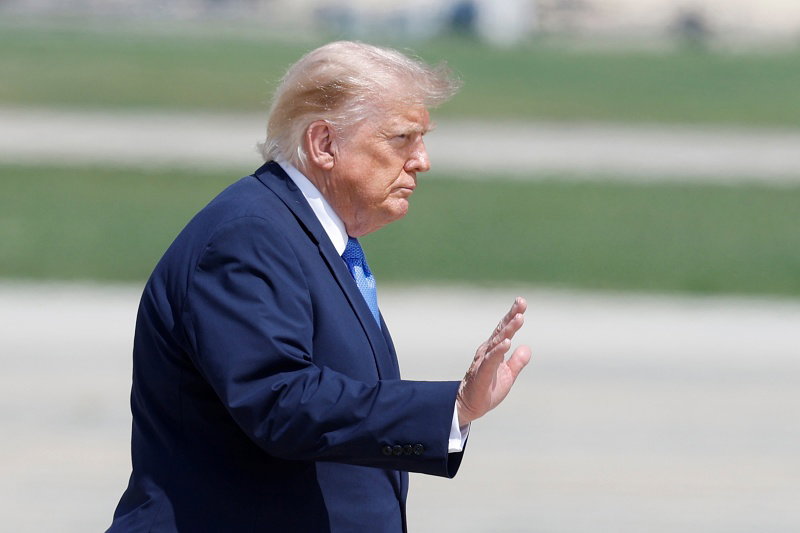

Boeing Co. shares declined 4% following President Donald Trump’s announcement that China has committed to purchasing 200 aircraft, a figure that investors deemed insufficient relative to previous trade expectations. The deal, revealed during the President’s state visit to Beijing, comes as global markets grapple with significant volatility fueled by shifting tariff policies and trade negotiations.
Boeing’s stock price faced immediate pressure after the scale of the long-anticipated Chinese aerospace agreement was made public. While the purchase of 200 jets represents a significant transaction, market analysts and investors had priced in a much larger acquisition to bridge the ongoing trade gap between the two nations. This sentiment was echoed by U.S. Treasury Secretary Scott Bessent, who had previously expressed optimism regarding a more substantial order from Beijing during the diplomatic mission.
The disappointment in the aerospace sector contributed to a broader downturn across Wall Street. The Dow Jones Industrial Average plummeted by 2,200 points, marking one of the most volatile sessions in recent history as tariff-related uncertainty continues to weigh on investor confidence. While President Trump’s administration successfully negotiated a separate tariff agreement with Japan—triggering a surge in automotive stocks—the overall market remained defensive due to the potential for retaliatory measures from major trading partners.