©연합뉴스
A deadly hantavirus outbreak aboard a cruise ship near the Canary Islands has prompted an urgent international evacuation and sparked widespread concern over a potential new public health crisis. As passengers from the affected vessel return to their home countries for medical monitoring, health experts are working to dispel misinformation and assess the risk of a "Generation Three" viral mutation.
By JKN Global News Desk
The international maritime and health communities are on high alert following a confirmed hantavirus outbreak aboard the MV Hondius cruise ship. The vessel, which was positioned near the Canary Islands when the crisis intensified, became the center of an urgent evacuation effort as health officials scrambled to contain the spread of the virus. Reports confirm that at least two additional passengers have tested positive for the virus, following earlier fatalities that have heightened fears regarding the severity of this specific strain.
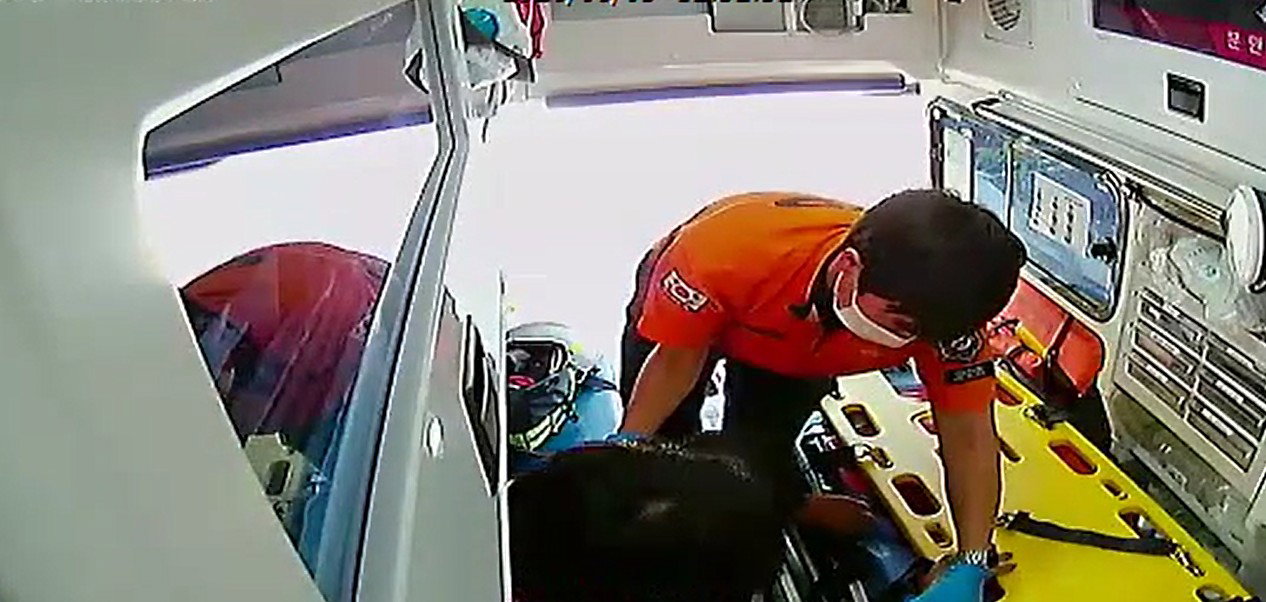
Passengers from the virus-stricken ship, including those from Texas and other regions of the United States, have begun arriving in their home countries via chartered flights. Upon arrival, these individuals are being placed under strict monitoring by local health authorities to prevent domestic transmission. The situation has gained significant attention in states like Mississippi, where residents have expressed mixed reactions and heightened anxiety despite no confirmed cases in the area. The emergence of what has been described as a "Generation Three" hantavirus case has led to speculation among some researchers that the virus may have mutated, potentially increasing its lethality or ease of transmission.
The outbreak has also triggered a wave of misinformation and public unease, reminiscent of the early days of the COVID-19 pandemic. In Malaysia and other regions, false reports regarding the nationalities of the infected passengers have circulated widely on social media. Furthermore, online conspiracy theories have surfaced, with some social media users claiming a "Simpsons" episode featuring a "Pandora Virus" predicted the current MV Hondius crisis. These developments have forced fact-checking teams to intervene, clarifying that while hantavirus is a serious respiratory threat, its biological characteristics differ significantly from those of COVID-19.
Medical experts and health organizations are currently evaluating the risk of the hantavirus becoming the next global pandemic. While the virus is known for its high mortality rate, experts emphasize that it traditionally spreads through contact with infected rodents rather than sustained human-to-human transmission. However, the unique circumstances of the cruise ship outbreak have prompted the CDC and international health bodies to investigate the possibility of environmental factors or mutations that could alter the standard transmission profile.
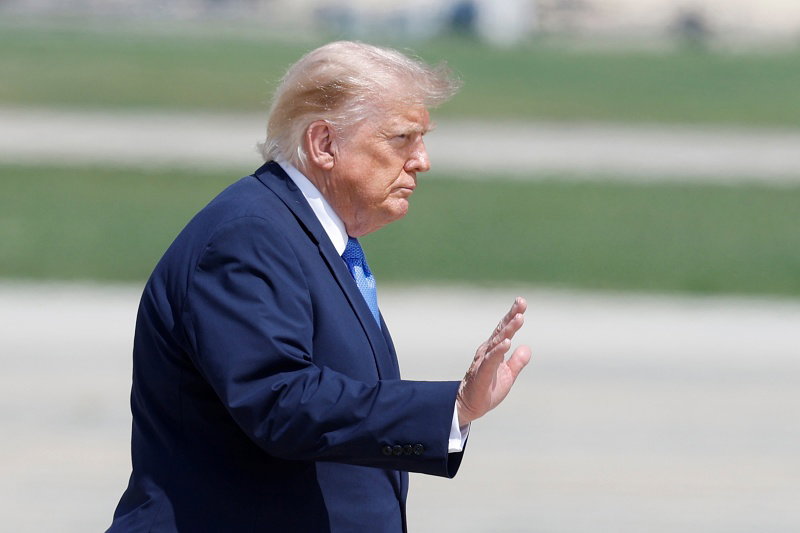
In the United States, the political response has already begun to take shape. Former President Donald Trump stated that the hantavirus situation is "under control," though his comments have been met with skepticism by some health advocates who point to recent cuts in CDC research funding as a potential vulnerability in the nation's biosecurity. As the situation evolves, health officials continue to urge the public to focus on verified medical data rather than social media speculation while monitoring for symptoms such as fever, severe muscle aches, and fatigue among those who may have been exposed.