
Following the collapse of the Bashar al-Assad regime, Syria’s transitional leader Ahmad al-Sharaa faces an escalating security dilemma regarding the thousands of foreign fighters who were instrumental in the rebel victory. International powers, including the United States and China, have expressed urgent concerns over the potential integration of these militants into the country’s new formal military structures.
The fall of Bashar al-Assad has transitioned Ahmad al-Sharaa, formerly known as the leader of Hay’at Tahrir al-Sham (HTS), from a rebel commander to the primary figure responsible for Syria’s stability. While Sharaa successfully orchestrated the campaign to topple the long-standing government, he now inherits the complex challenge of managing the diverse "foreign legions" that bolstered his forces. These fighters, many with roots in extremist ideologies and ties to al-Qaeda, now seek a permanent role in the post-Assad landscape, posing a direct threat to the new administration's quest for international legitimacy.
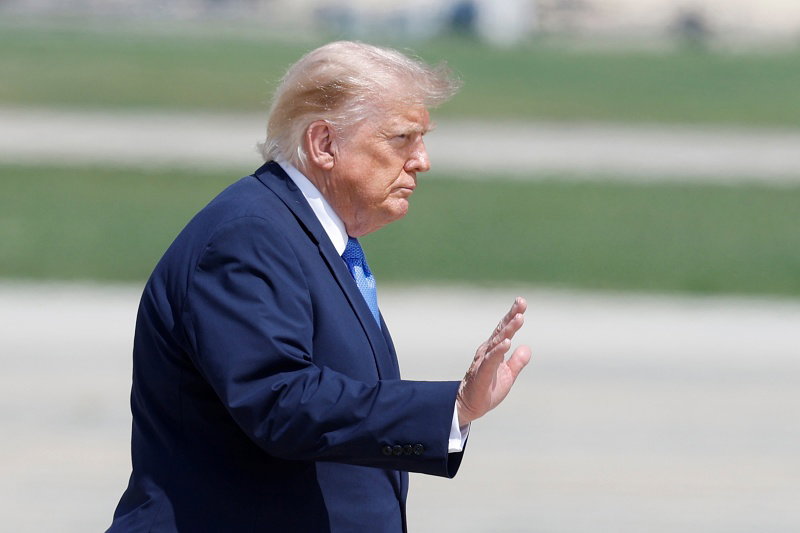
Global powers have already begun signaling their expectations for the new Syrian government. Western nations have issued warnings against the inclusion of known jihadists in the official Syrian army, fearing that such a move would institutionalize radicalism within the state. President Donald Trump has reportedly pressed Sharaa on the status of these foreign elements, emphasizing that the future of diplomatic relations and economic aid may depend on the successful neutralization of extremist influences. Meanwhile, China has raised specific alarms regarding the movement of these fighters, particularly those who might return to East Asia or use Syria as a base for regional destabilization.